Why Cultural Design Is the Future of Innovation
- Nomad Elan Journal — Editorial Collective

- Jan 5
- 3 min read
In an age of accelerating AI and rapid technological change, Cultural Design restores depth, memory, and meaning to the way we innovate.

Innovation has spent decades chasing speed.
Faster systems. Louder brands. Constant upgrades.
But somewhere between scale and efficiency, we accepted a flawed assumption:that the future required distance; from tradition, from heritage, from slowness, from silence.
The world never needed more distance.It needed depth.
This is where Cultural Design enters the future of innovation.
Cultural Design Brings Back the Depth Innovation Lost
Unlike conventional design strategies that prioritise novelty or velocity, Cultural Design listens — deeply.
It listens to rituals.
To material textures.
To the quiet intelligence embedded in everyday gestures.
To the ways people live when no one is watching.
It is a discipline of cultural intelligence, not acceleration.
A design philosophy that recognises culture as a living system, not an aesthetic trend to be extracted, but a source of meaning to be understood.
In a world where AI can generate infinite forms in seconds, Cultural Design asks a far more urgent question:
What deserves to endure?

Innovation Without Culture Is Hollow
When innovation loses memory, it loses meaning.
Products become interchangeable.
Experiences become forgettable.
Brands become noise.
This is the hidden cost of innovation that prioritises speed over understanding.
But when innovation is anchored in heritage, ritual, and collective memory, it transforms.
It becomes inevitable; not because it’s new, but because it feels true.
Design futures depend on this shift.
The next decade will separate those who extract from culture from those who cultivate it.
Cultural Design Is Not Nostalgia; It’s Meaning-Driven Innovation
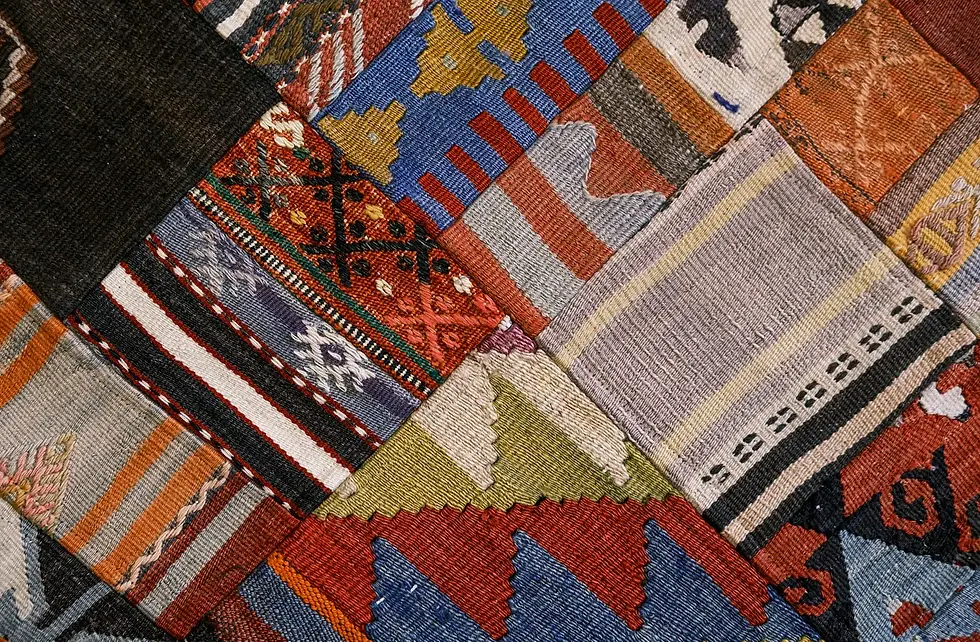
There is a misconception that bringing culture into innovation means returning to the past.
But Cultural Design is not retro.
It is not sentimental.
It is not an escape.
It is a forward-looking design strategy rooted in meaning.
It understands that true innovation does not replace what came before; it reinterprets it.
It uses cultural memory as a material — a living archive — to build futures that feel grounded, human, and emotionally resonant.
Cultural Design doesn’t ask:
“How can we create more?”
It asks:
“How can we create things worth keeping?”
Why Culture Matters More in the Age of AI
As artificial intelligence reshapes creativity, design, and the future of work, the value of Cultural Design becomes even more significant.
AI can produce form, but it cannot produce meaning.
It can generate patterns, but it cannot feel the weight of heritage or the tenderness of human ritual.
This is why Cultural Design is rising as the next frontier of innovation:
it brings what machines cannot:
interpretation, memory, identity, symbolism, and lived experience.
These are the elements that will differentiate the future of brands, products, and creative ecosystems.
Culture as a Living Organism
The designers, strategists, and innovators who will shape the next era are not those who move the fastest. They are those who listen the closest.
Those who treat culture as a living organism;
Something to be cultivated, not consumed.
Something to be learned from, not mined for aesthetics.
Something to be preserved, not accelerated past.
This is the heart of Cultural Design: the belief that innovation is strongest when it honours the intelligence that already exists.

When Innovation Remembers Its Memory, It Finds Its Future
Cultural Design is not a retreat.
It is a recalibration.
The evolution of meaning.
And as the world becomes noisier, faster, and increasingly automated, the organisations that will stand out are those who design with depth, not speed; with memory, not novelty.
The future will belong to creators and thinkers who understand that innovation without culture is empty…but innovation grounded in culture is enduring.
When innovation rediscovers its memory, it can finally imagine a future worth belonging to.


Comments